
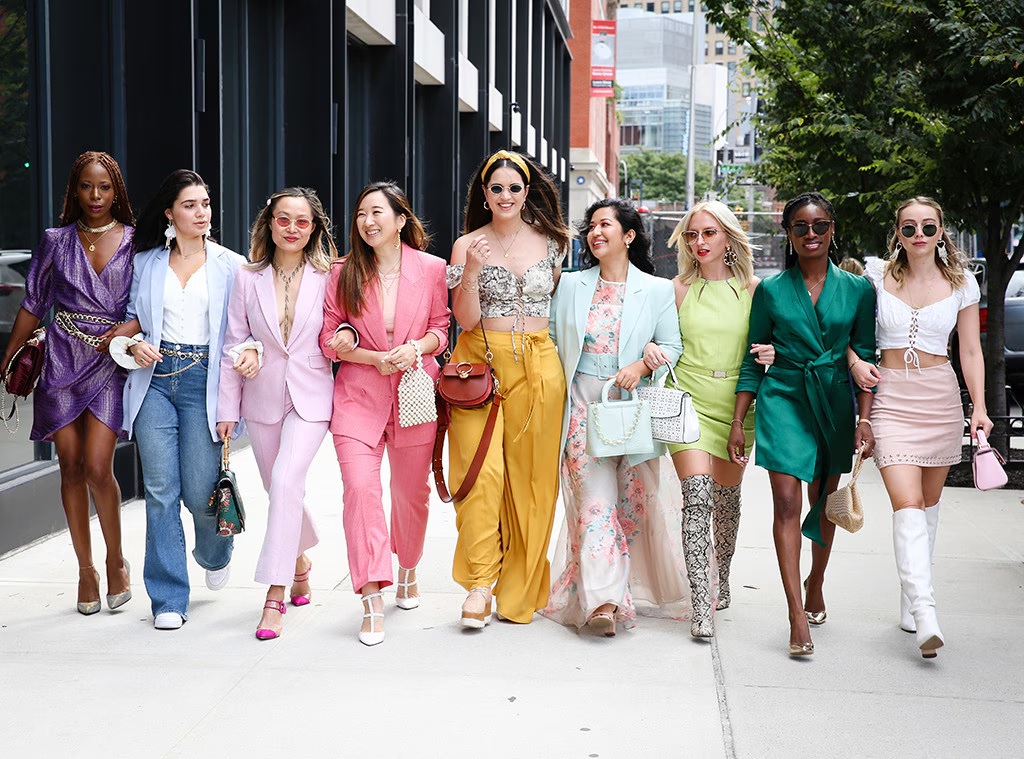

Fashion is more than clothing; it is a form of self-expression, a reflection of culture, and an influential economic force. Over the decades, the fashion industry has evolved from traditional tailoring and haute couture to fast fashion, digital runways, and sustainable innovations. This article explores the multifaceted world of fashion, covering its history, current trends, industry dynamics, and future possibilities.
A Brief History of Fashion
Fashion has always mirrored societal changes, technological advancements, and cultural shifts. In ancient civilizations, clothing indicated social status and profession, while patterns, colors, and accessories conveyed cultural significance. Over centuries, the evolution of fashion reflected political changes, economic conditions, and technological breakthroughs.
Key Historical Milestones
- Ancient and Medieval Fashion: Clothing was handmade from natural fibers, often featuring intricate embroidery or patterns specific to regions and classes.
- Renaissance to 18th Century: Fashion became a symbol of wealth and influence, with elaborate gowns, wigs, and accessories dominating European courts.
- Industrial Revolution: Mass production of textiles made fashion more accessible, laying the foundation for ready-to-wear clothing.
- 20th Century: Iconic designers, the rise of fashion magazines, and global media influenced trends and popularized styles.
- 21st Century: Digital technology, social media, and sustainable fashion initiatives transformed design, marketing, and consumer behavior.
Understanding fashion’s history helps contextualize current trends and industry strategies.
Major Fashion Styles and Movements
Fashion is highly diverse, encompassing numerous styles and subcultures. Understanding these styles allows individuals to express personality, culture, and identity through clothing.
1. Haute Couture and Luxury Fashion
Haute couture represents the pinnacle of craftsmanship and creativity in fashion. High-end designers create custom garments with exceptional materials, intricate detailing, and unique designs. This segment is often showcased in prestigious fashion weeks in Paris, Milan, and New York.
Key Characteristics:
- Handcrafted garments with meticulous attention to detail.
- Exclusive and limited collections targeting elite clientele.
- Strong influence on mainstream fashion trends.
2. Streetwear and Urban Fashion
Streetwear emerged from youth subcultures and urban communities, blending casual wear with artistic expression. It often incorporates sneakers, hoodies, oversized clothing, and graphic designs. Streetwear brands have gained global recognition, influencing high fashion collaborations.
Key Trends in Streetwear:
- Collaboration with luxury designers and artists.
- Focus on comfort, individuality, and cultural references.
- Limited edition drops and hype-driven marketing strategies.
3. Sustainable and Ethical Fashion
With increasing awareness of environmental and social impact, sustainable fashion has become a major focus. Brands are adopting eco-friendly materials, ethical labor practices, and transparent supply chains. Consumers now actively seek products that align with sustainability values.
Sustainable Fashion Practices:
- Use of organic, recycled, or biodegradable fabrics.
- Reducing waste through circular fashion models and upcycling.
- Ethical labor practices and fair trade certifications.
4. Fast Fashion
Fast fashion offers trendy, affordable clothing designed for quick consumption. While it democratizes fashion, it faces criticism for environmental harm and labor issues. Brands like Zara and H&M have popularized fast fashion globally.
Fast Fashion Dynamics:
- Rapid production cycles responding to current trends.
- Focus on affordability and mass-market appeal.
- Ongoing challenges in balancing sustainability with growth.
5. Digital and Virtual Fashion
The digital age has introduced virtual fashion, where clothing and accessories exist only in digital formats for avatars, gaming, or social media presence. This emerging trend opens opportunities for creativity and global reach without material waste.
Key Features of Digital Fashion:
- Virtual clothing for social media avatars or gaming platforms.
- Reduced environmental footprint compared to physical garments.
- Collaboration between tech companies and designers for innovative experiences.
Fashion Industry Insights
The fashion industry is a global economic powerhouse, generating billions annually while shaping cultural norms and consumer behavior.
1. Market Dynamics
The fashion market includes apparel, footwear, accessories, and luxury goods. Emerging markets, e-commerce growth, and brand collaborations continue to expand the industry’s reach.
Key Market Trends:
- E-commerce accounts for a growing percentage of sales, especially post-pandemic.
- Influencer marketing drives brand awareness and consumer decisions.
- Customization and personalization enhance customer engagement.
2. Fashion Weeks and Runway Shows
Fashion weeks in major cities serve as platforms for designers to showcase new collections, influencing global trends. Digital streaming of runway shows has further expanded access to these events.
Highlights of Fashion Weeks:
- Seasonal trends and upcoming styles are revealed to media, buyers, and consumers.
- Networking opportunities for designers, models, and industry professionals.
- Integration of technology for virtual and interactive presentations.
3. Technology in Fashion
Technology has transformed the way fashion is designed, produced, and consumed. From AI-assisted design to augmented reality fitting rooms, innovations are enhancing efficiency and consumer experiences.
Key Technological Advances:
- AI predicts consumer preferences and trend forecasting.
- 3D printing allows rapid prototyping of garments and accessories.
- Virtual fitting and augmented reality apps improve online shopping experiences.
Fashion Trends for Today and Tomorrow
Fashion is continuously evolving, driven by consumer behavior, cultural shifts, and technological innovation.
- Inclusivity and Diversity: Representation in fashion campaigns, sizing, and modeling is gaining momentum.
- Retro and Nostalgia: Fashion cycles revive trends from previous decades, appealing to nostalgia and reinterpretation.
- Minimalism and Functional Fashion: Practical, versatile clothing focused on comfort and style.
- Digital Fashion and NFTs: Virtual fashion and collectibles are emerging as new revenue streams and cultural symbols.
On a personal note, this article was originally drafted as a general overview, but while researching, it became clear how rapidly fashion adapts to technology, social awareness, and consumer demands, emphasizing both creativity and responsibility.
FAQ
1. What defines haute couture fashion?
Haute couture is custom-made, handcrafted clothing with exceptional materials and unique designs, targeting high-end clientele.
2. How is streetwear influencing luxury fashion?
Streetwear has blurred the lines between casual and high fashion, inspiring collaborations and limited edition collections.
3. What makes fashion sustainable?
Sustainable fashion involves eco-friendly materials, ethical labor practices, and reducing environmental impact through circular models.
4. How has technology impacted fashion?
Technology has enabled AI-driven design, virtual fittings, 3D printing, and digital fashion experiences, enhancing creativity and consumer convenience.
5. What are the challenges of fast fashion?
Fast fashion faces criticism for environmental degradation, unsustainable production, and labor issues, despite its affordability and trend responsiveness.
6. How are fashion weeks adapting to digital trends?
Fashion weeks now incorporate live streaming, virtual front-row experiences, and interactive digital showcases to reach global audiences.
7. What role does inclusivity play in modern fashion?
Inclusivity ensures diverse representation in models, sizing, and marketing, promoting acceptance and reflecting societal values.
Comments are closed.