
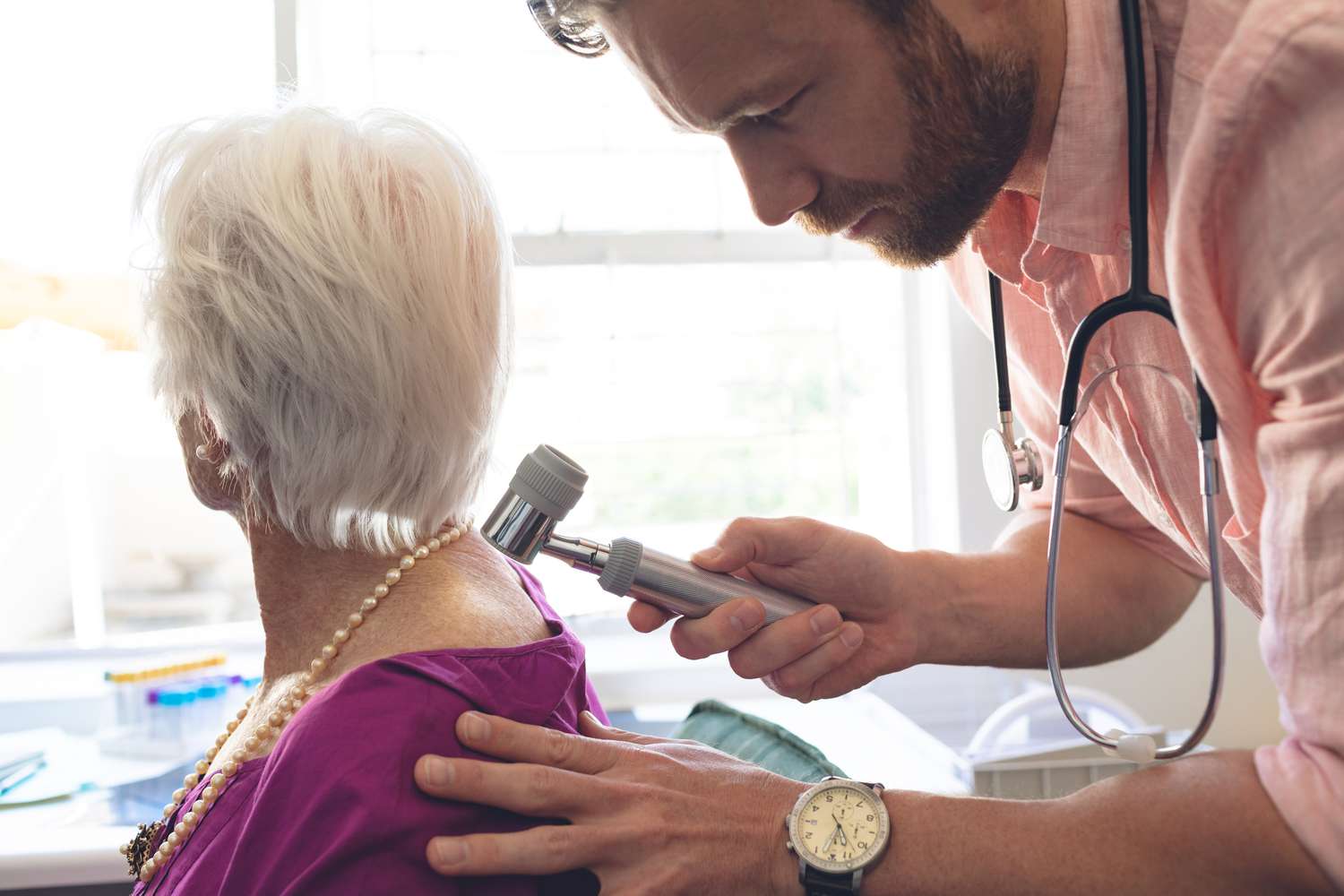

Aging skin isn’t just about wrinkles and sunspots. As the years roll by, there are new quirks, surprises—and sometimes even health risks—that can pop up on your skin. So, if you’ve been skipping that annual appointment, or if you think the only urgent skin care you need is finding a good moisturizer, here’s the friendly nudge: regular visits to a dermatologist are flat-out important, especially for seniors (yes, even if you never sunbathed or were the sunscreen queen).
Because Skin Cancer Catches Up When You’re Not Looking
Let’s talk straight: your risk of skin cancer rises with age. This isn’t just a scare tactic, either. Even if you spent most of your life in the shade, skin changes over time and bad habits from decades ago (think working outside or skipping hats) can catch up fast. Regular checkups mean a pro is inspecting you from scalp to soles, catching things you—and your grown kids or grandkids—might miss. Early detection is everything with skin cancer, especially the sneaky types like melanoma.
Spots and Rashes Are More Than Skin Deep
Raise your hand if you’ve ever brushed off a new mole, flakey patch, or strange rash with a “meh, it’s probably nothing.” Here’s the thing: what you write off as “old age” could be something a whole lot more important. Dermatologists are great detectives. They can spot warning signs of diabetes, circulation issues, or even vitamin deficiencies—sometimes before your regular doc does. Seeing a pro regularly gives you peace of mind, so you aren’t left down a rabbit hole of internet self-diagnosing.
Medications and Skin: It’s Complicated
Many seniors are juggling several prescriptions. Sometimes, those pills come with skin side effects—dryness, rashes, or increased sun sensitivity. Dermatologists know how to spot and fix these problems (often before they get serious), and they can recommend tweaks, creams, or treatments that won’t mess with your other meds. This is a lifesaver, especially if you want to avoid “mystery itch” or chronic redness as a normal part of your week.
Wound Care and Slow Healing
As we age, our skin can get thinner and heal a little slower. Bumps and bruises that once disappeared in a day seem to stick around, and even a small cut can become a real headache. If you’re living solo—or even in an assisted living community where nursing staff do rounds—having a dermatologist on your care team means any slow-to-heal spots get the right attention, and you avoid trips to urgent care for things that can be managed at home.
A Confidence Boost Where You Least Expect It
Let’s be honest, how you feel about your skin has a ripple effect. Dry, flaky, or irritated skin isn’t just uncomfortable; it’s distracting and can knock down your mood. Dermatologists can help with solutions that are practical and easy to manage—sometimes a switch in soaps, sometimes a prescription, often just science-backed advice. Suddenly you’re not scratching at night or worrying about what’s “normal.”
Bring in a Pro, Feel More in Control
Getting older comes with plenty of curveballs, but seeing a dermatologist regularly helps you stay ahead of any skin glitches. It’s about more than appearances; it’s about comfort, health, and keeping your body’s biggest organ as happy as possible.
Bottom line: skin care for seniors is about living well, not just looking good. A quick check now and then might just make—or literally, save—your day.
Comments are closed.