
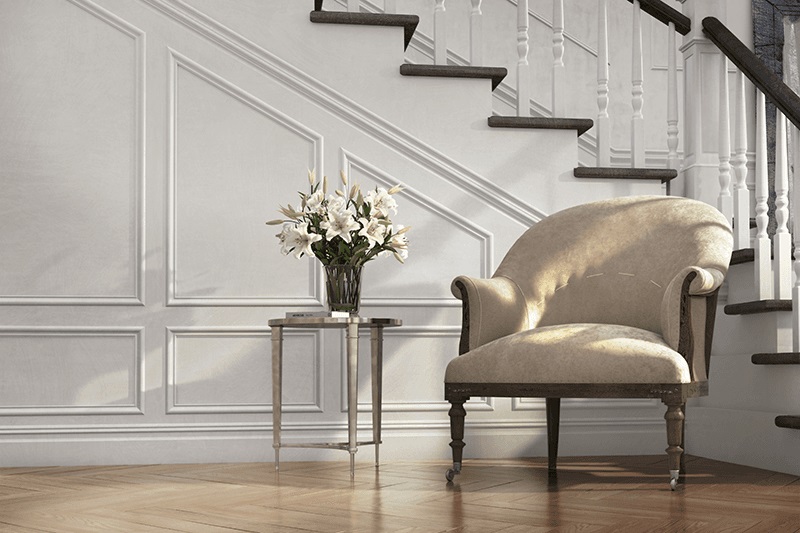

Decorative mouldings offer a simple yet profound way to transform a room from a plain space into a sophisticated environment. In Thailand, where traditional aesthetics often blend with modern design, mouldings can add a layer of detail and character that complements the nation’s rich architectural heritage. These elements introduce visual interest to walls and ceilings, creating an impression of refinement and structure.
The versatility of decorative mouldings is one of their greatest assets. They can be used to frame a room, highlight architectural features like doorways and windows, or create intricate patterns on a feature wall. For homeowners looking to add a touch of classic charm or a modern, clean line, materials such as polyurethane moulding (called คิ้วบัวโพลี in Thai) provide a durable and adaptable option. This material is lightweight, easy to install, and can be painted to match any colour scheme, making it a practical choice for both new constructions and renovation projects.
From the ornate details found in traditional Thai temples to the sleek finishes of contemporary Bangkok apartments, the right moulding can unify a design concept. By selecting patterns that echo local artistry or opting for minimalist profiles, you can craft a space that feels personal and complete. The addition of these details brings depth and a finished quality to any interior, enhancing the overall atmosphere of the home.
Integrating Mouldings with Thai Design Sensibilities
Thai interior design often celebrates natural materials and a connection to the outdoors. When choosing mouldings, consider profiles that complement wooden floors, silk furnishings, and other organic textures. Simple, clean lines can provide a subtle backdrop that allows handcrafted furniture and art to stand out. Alternatively, more elaborate, curved mouldings can evoke the gentle, flowing lines seen in traditional Thai art and architecture.
Consider the scale of your space. In rooms with high ceilings, common in many Thai homes, crown mouldings can draw the eye upward and make the room feel grander. In smaller spaces, chair rails or simple wall frames can add dimension without cluttering the area. The goal is to create a harmonious balance between decoration and simplicity, a core principle in many Eastern design philosophies.
Practical Application and Lasting Impact
Beyond their aesthetic contribution, decorative mouldings are functional. They can conceal the joints between walls and ceilings, hide wiring, or protect walls from scuffs and bumps. This blend of beauty and utility makes them a smart addition to any home.
Choosing the right style of moulding can elevate your interior from ordinary to exceptional. It’s a detail that adds a sense of permanence and thoughtful design to a home. By incorporating these elements, you can create a living space that is both beautiful and reflective of a timeless elegance that resonates with Thai cultural values.
Comments are closed.