
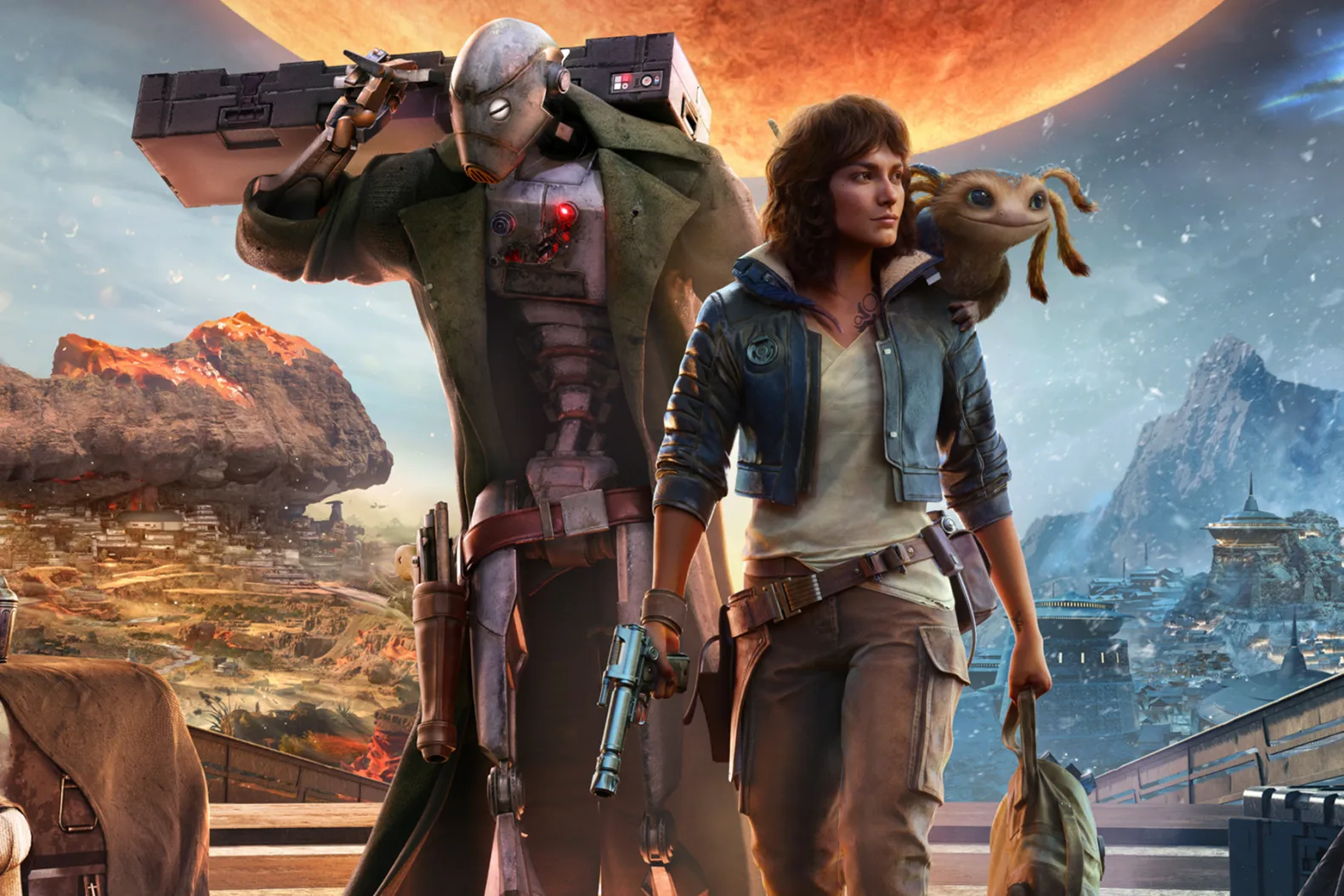

Games have become an integral part of modern entertainment, blending technology, storytelling, competition, and social interaction. From traditional board games to immersive video games and the fast-growing esports industry, games influence culture, education, and even professional careers. This comprehensive guide explores the evolution, types, benefits, and trends in games, offering insights for casual players, enthusiasts, and industry observers alike.
The Evolution of Games
Games have existed for thousands of years, evolving from simple recreational activities to complex digital experiences. Early games like chess, checkers, and card games provided entertainment, strategic thinking, and social bonding. With technological advancement, video games emerged, transforming the gaming landscape into a global industry with billions of players.
Milestones in Gaming History
- Board and Traditional Games: Chess, Go, and Mancala date back centuries and remain popular for strategic and social engagement.
- Arcade Games: Gained prominence in the late 20th century with iconic titles like Pac-Man and Space Invaders.
- Console Gaming: Home consoles like Nintendo, PlayStation, and Xbox revolutionized gaming with immersive experiences.
- Mobile Gaming: Smartphones enabled casual gaming on-the-go, making games accessible to millions.
- Esports: Competitive gaming became a professional arena with tournaments, sponsorships, and international recognition.
Types of Games
Games can be categorized based on platform, mechanics, and player interaction. Understanding these types helps players find experiences that match their interests.
Video Games
Video games include console, PC, and mobile platforms, offering diverse genres:
- Action Games: Emphasize reflexes, timing, and hand-eye coordination. Popular examples include first-person shooters and platformers.
- Adventure Games: Focus on storytelling, exploration, and puzzle-solving. Players engage in immersive narratives and interactive worlds.
- Role-Playing Games (RPGs): Players assume character roles and progress through storylines, often leveling up and completing quests.
- Simulation Games: Replicate real-world activities, such as building cities, managing resources, or flying planes.
- Sports and Racing Games: Offer virtual versions of physical sports and competitive racing experiences.
- Puzzle and Strategy Games: Challenge logic, problem-solving, and critical thinking skills.
Mobile Games
Mobile games target casual players and often feature short, engaging gameplay sessions. Popular mobile genres include endless runners, match-three puzzles, strategy games, and augmented reality (AR) experiences.
Board and Card Games
Despite digital advancements, traditional board and card games maintain cultural significance. Games like Monopoly, Settlers of Catan, and poker offer social interaction, critical thinking, and entertainment for all ages.
Online and Social Games
Online multiplayer games, including massively multiplayer online (MMO) games and social games, allow players to connect and compete globally. Games like Fortnite, League of Legends, and Minecraft foster collaboration, community-building, and competition.
The Impact of Games
Games influence cognitive development, social interaction, and even professional skills. They can also provide educational benefits when designed with learning objectives.
Cognitive and Educational Benefits
- Problem-Solving Skills: Strategy, puzzle, and role-playing games enhance analytical thinking and decision-making.
- Creativity: Sandbox and simulation games encourage creative exploration and experimentation.
- Memory and Focus: Games requiring pattern recognition, strategy, or rapid responses improve memory and attention span.
- Learning Tools: Educational games teach mathematics, language, history, and science in interactive ways.
Social and Emotional Benefits
- Collaboration and Teamwork: Multiplayer games cultivate cooperation and communication skills.
- Stress Relief: Playing games can provide relaxation and emotional release.
- Community Building: Online platforms foster connections, friendships, and shared experiences across cultures.
Trends Shaping the Gaming Industry
The gaming industry constantly evolves with technology, cultural shifts, and consumer demand. Staying informed about these trends helps players and industry professionals understand the future of games.
Popular Gaming Trends
- Cloud Gaming
Allows players to stream games without high-end hardware, increasing accessibility and convenience. - Virtual Reality (VR) and Augmented Reality (AR)
Immersive experiences transform gaming into interactive environments, enhancing realism and engagement. - Mobile and Casual Gaming
The rise of smartphones and tablets has democratized gaming, attracting casual players worldwide. - Esports and Competitive Gaming
Professional tournaments, live streaming, and sponsorship deals have turned gaming into a legitimate career path. - Cross-Platform Play
Players can connect across consoles, PCs, and mobile devices, expanding the multiplayer experience. - User-Generated Content
Games like Roblox and Minecraft allow players to create and share content, fostering creativity and community involvement. - Subscription Services
Services like Xbox Game Pass and PlayStation Now provide access to large game libraries, encouraging exploration and variety.
Gaming Culture and Lifestyle
Games are not just entertainment—they are part of modern lifestyle and culture. Gaming conventions, streaming platforms, and online communities create social hubs for enthusiasts. Influencers, professional players, and content creators shape trends, reviews, and experiences for millions of followers.
The Role of Streaming and Content Creation
Platforms like Twitch and YouTube Gaming allow players to stream gameplay, share tips, and build fan bases. Streaming has created new entertainment formats, interactive experiences, and even revenue streams for gamers.
Gaming Merchandise and Collectibles
Fans engage with gaming culture through merchandise, collectible figures, apparel, and limited-edition items. This extends the gaming experience beyond screens and creates a tangible connection to virtual worlds.
The Future of Games
The gaming industry continues to grow, driven by technological innovation, social interaction, and creative storytelling. Emerging technologies like AI-driven gameplay, cloud gaming, VR/AR integration, and blockchain-based assets are likely to shape the next generation of games. Sustainability, inclusivity, and accessibility are also becoming central considerations for developers and communities alike.
On a personal note, this article was originally written as a general guide to games, but exploring global gaming trends, esports, and emerging technologies highlighted how multifaceted the gaming world has become, blending entertainment, education, and professional opportunity.
FAQ
1. What types of games are most popular today?
Action, adventure, RPGs, simulation, and mobile casual games dominate current trends due to their accessibility and engaging gameplay.
2. How can games improve cognitive skills?
Strategy, puzzle, and role-playing games enhance problem-solving, critical thinking, memory, and focus.
3. What is esports, and why is it important?
Esports refers to competitive gaming at professional levels, offering tournaments, sponsorships, and career opportunities while building global communities.
4. How do VR and AR impact gaming experiences?
VR and AR create immersive, interactive environments that enhance realism, engagement, and storytelling in games.
5. Are mobile games less valuable than console or PC games?
Not necessarily. Mobile games offer accessibility, casual engagement, and innovative gameplay, appealing to a broad audience.
6. How can gaming be educational?
Educational games teach concepts through interactive experiences, improving learning outcomes in math, language, science, and critical thinking.
7. What trends are shaping the future of gaming?
Cloud gaming, cross-platform play, VR/AR, AI-driven gameplay, and subscription services are key trends shaping future gaming experiences.
Comments are closed.