
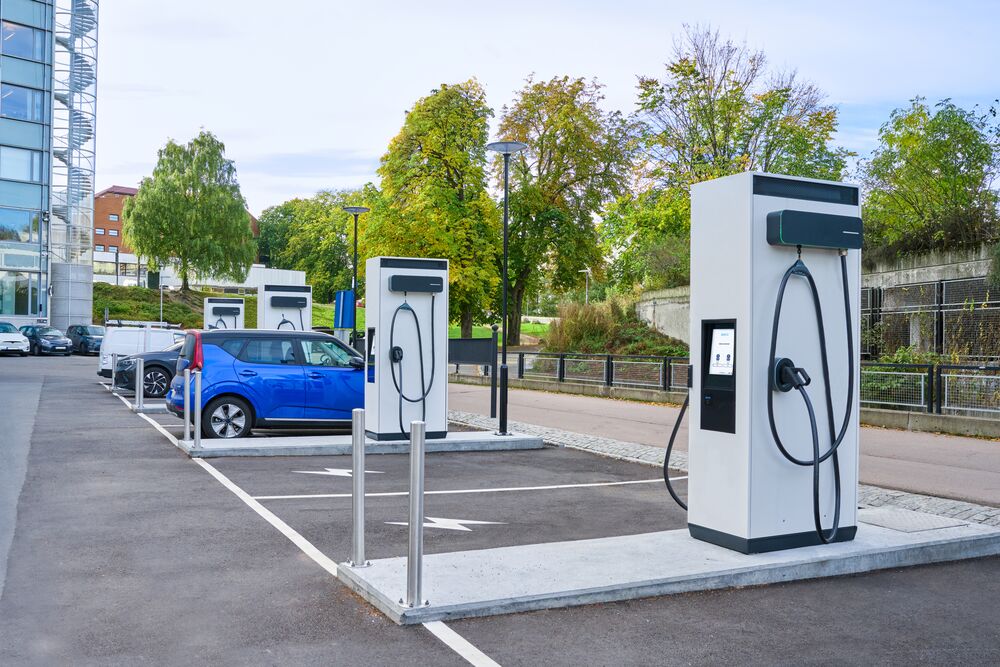

Electric vehicles (EVs) are becoming a more common sight on the roads of Thailand. This shift towards cleaner transport is a positive development for the country’s environment and urban air quality. A major factor speeding up this adoption is the advancement in charging technology. The introduction of ultra-fast DC chargers is fundamentally changing how people view and use electric cars.
These powerful charging stations significantly reduce the time needed to power up an EV. For many drivers considering the switch, the long wait times associated with standard charging have been a major point of hesitation. An ultra-fast EV fast charger can add hundreds of kilometres of range in the time it takes to have a quick meal or coffee, making electric car ownership much more practical for daily life and long-distance travel across the country.
The growing network of these chargers is helping to build confidence among Thai consumers. Knowing that a rapid top-up is available along major highways and in urban centres makes the prospect of owning an EV less daunting. This expanding infrastructure is essential for supporting the government’s goals for a greener transportation system and encouraging more people to make the switch.
The Technology Behind Rapid Charging
Ultra-fast DC (Direct Current) chargers work differently from the more common AC (Alternating Current) chargers you might have at home. While AC chargers require the vehicle’s onboard converter to change the power to DC for the battery, DC chargers bypass this step. They deliver power directly to the battery, allowing for much higher charging speeds.
This direct connection enables charging rates of 150kW, 350kW, or even higher. For an EV with a compatible battery, this means going from a low state of charge to around 80% in as little as 20 to 30 minutes. This efficiency is what makes electric vehicles a viable alternative to petrol cars for almost any driving scenario, from commuting in Bangkok to holiday trips to Chiang Mai or Phuket.
Impact on Thai Drivers and Infrastructure
The availability of ultra-fast charging is changing driver behaviour. The “charge while you stop” model is becoming the new norm. Instead of overnight charging being the only option, drivers can now integrate quick charging sessions into their regular routines, such as during a grocery run or a stop at a service station. This convenience is making EVs more appealing to a broader audience.
For Thailand, this revolution in charging is not just about personal convenience. It is a vital component of the nation’s energy and transport strategy. A robust network of fast chargers supports the tourism industry by enabling visitors to explore the country in rented EVs. It also stimulates economic activity by creating new business opportunities in charging infrastructure and related services. As more Thais embrace electric mobility, the demand for faster and more accessible charging will continue to drive innovation.
Comments are closed.