
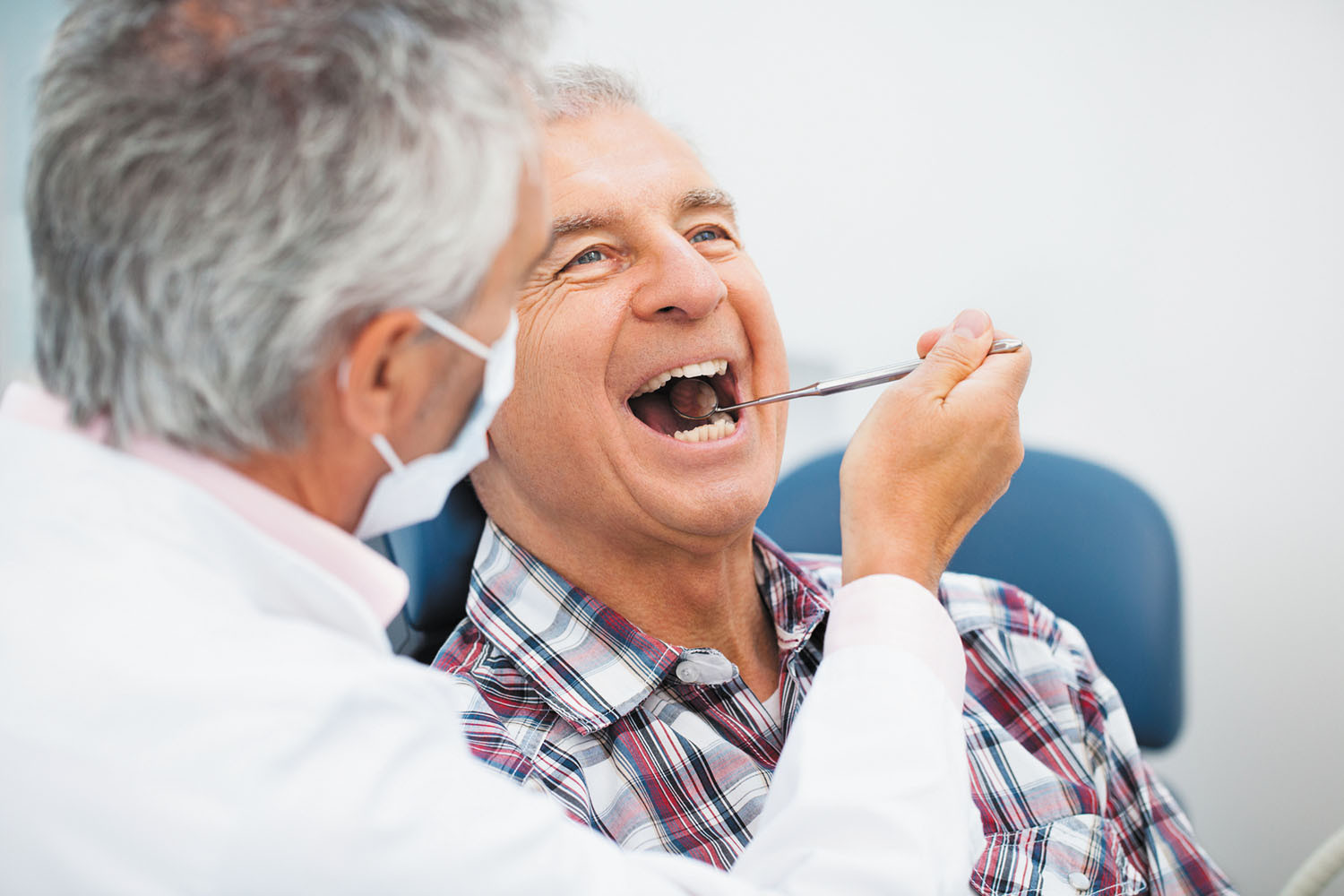

Jawbone health rarely tops the list of topics seniors discuss over morning coffee, yet the strength of this silent scaffold influences nutrition, speech, and even facial appearance. When bone density in the mandible starts to slide, dentures loosen, chewing becomes laborious, and the risk of fracture rises.
Fortunately, modern preventive care extends well beyond clinic walls, and even residents in senior living communities can protect their smiles by cultivating small, consistent habits at home. Over time, these incremental efforts add up to a stronger bite and a more confident grin.
Understanding the Jaw’s Aging Process
Bone tissue behaves like a savings account: deposits and withdrawals occur daily, and balance matters more than any single transaction. In seniors, hormonal shifts and reduced mechanical loading accelerate withdrawals, leaving the jaw thinner and more porous than in earlier decades. Tooth loss exacerbates the decline because each missing root stops stimulating the surrounding bone.
Compounding the issue, certain medications—including long-term steroid or proton-pump inhibitor use—interfere with calcium absorption. Recognizing this biological backdrop empowers seniors to treat jaw care not as vanity but as foundational musculoskeletal maintenance for daily strength, stability, and pain-free living.
Warning Signs That Require Attention
Aging jaws seldom fail overnight; they telegraph distress through subtle but telling cues. Seniors who notice persistent gum recession, clicking sounds while chewing, or a denture that suddenly feels loose should regard these shifts as red flags rather than mere nuisances. Tenderness beneath the lower front teeth may hint at resorption, while frequent mouth sores around ill-fitting plates can precede bone inflammation.
Even painless changes—such as a gradually shortening face profile—deserve a professional look. Early evaluation lets dentists order imaging, adjust prosthetics, and recommend supplements before structural damage becomes permanent or disrupts essential nutrition.
Everyday Habits That Strengthen Jawbones
Consistent mechanical stimulation remains the jaw’s favorite workout, and seniors can supply it by choosing crunchy produce, sugar-free chewing gum, or silicone resistance devices approved by a clinician. A calcium-rich diet—think sardines with soft edible bones, low-fat dairy, fortified plant milks, and leafy greens—provides raw materials for rebuilding, while vitamin D from moderate sun exposure or supplements helps shuttle those minerals into place.
Avoiding smoking and limiting alcohol halt two potent bone thieves. Finally, maintaining stable blood sugar reduces micro-vascular damage that can starve mandibular tissue of nutrients and oxygen over the course of time.
Partnering With Dental Professionals
No home regimen can replace a calibrated professional plan, so seniors fare best when they assemble a collaborative dental team. Semiannual cleanings remove plaque that fuels periodontal bone loss, and panoramic X-rays every two to three years map density trends invisible to the naked eye. When deficiencies emerge, a periodontist may suggest bone-grafting granules or platelet-rich fibrin to rebuild the ridge before it thins further.
For denture wearers, regular relining prevents rocking forces that accelerate resorption. Orthodontists, once thought youth-exclusive, now guide clear-aligner therapies that redistribute bite forces more evenly through an individualized treatment roadmap.
Conclusion
Prioritizing jawbone health grants seniors the freedom to speak, smile, and savor crunchy favorites without fear. With attentive habits and teamwork, today’s generation can keep this hidden foundation strong well into tomorrow.
Comments are closed.