
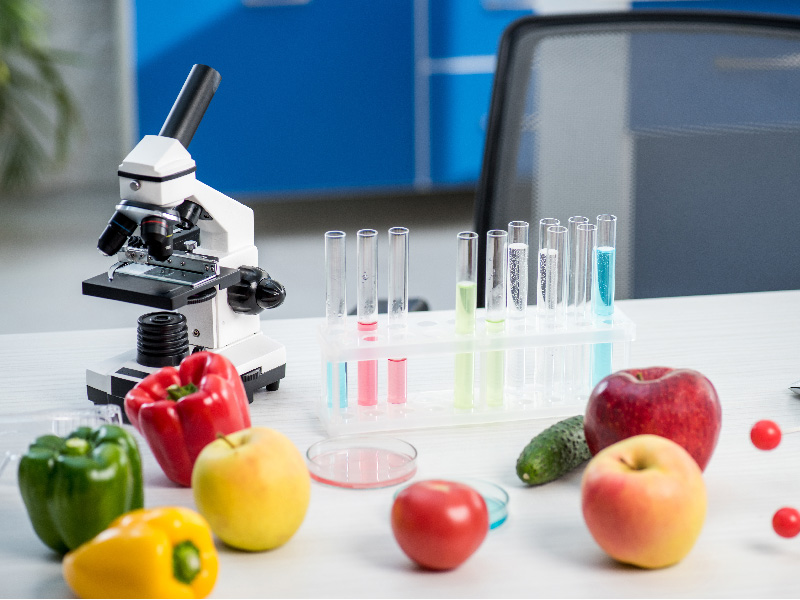

Food is more than just sustenance; it is a cultural expression, a scientific field, and a key component of health and well-being. From traditional recipes to modern dietary trends, understanding food encompasses nutrition, culinary practices, cultural significance, and emerging innovations in the food industry. This comprehensive guide delves into all aspects of food, offering insights for health-conscious individuals, culinary enthusiasts, and anyone looking to understand the power of what we eat.
Understanding Food: More Than Just Eating
Food is composed of nutrients that provide energy and maintain bodily functions. It includes carbohydrates, proteins, fats, vitamins, minerals, and water. A balanced diet is crucial for growth, immunity, and overall health. Beyond nutrition, food plays a social and cultural role, bringing people together through shared meals, traditions, and celebrations.
Key Components of Food
- Macronutrients: Carbohydrates, proteins, and fats are the primary energy sources for the body.
- Micronutrients: Vitamins and minerals support cellular functions, bone health, immunity, and more.
- Water: Essential for hydration, digestion, and metabolic processes.
- Phytochemicals and Antioxidants: Plant-based compounds that reduce oxidative stress and promote health.
Nutrition and Health: Eating for Wellness
Nutrition is the science of how food affects the body. A well-balanced diet helps prevent chronic diseases, supports mental health, and promotes longevity.
Essentials of Healthy Eating
- Balanced Macronutrient Intake
- Carbohydrates should come from whole grains, fruits, and vegetables.
- Proteins can include lean meats, legumes, tofu, and dairy.
- Healthy fats from nuts, seeds, avocado, and olive oil support heart health.
- Micronutrient Awareness
Adequate intake of vitamins and minerals like vitamin D, calcium, iron, and magnesium is crucial for bone health, immunity, and metabolic efficiency. - Hydration and Digestion
Drinking sufficient water and consuming fiber-rich foods promote digestion, energy, and detoxification. - Dietary Patterns
Patterns like the Mediterranean diet, plant-based diets, and DASH (Dietary Approaches to Stop Hypertension) are widely studied for their health benefits. - Food Safety Practices
Proper storage, cooking, and hygiene reduce the risk of foodborne illnesses.
Culinary Diversity: Exploring Global Cuisine
Food reflects cultural heritage and local resources. Every region has unique ingredients, techniques, and traditions that contribute to the global culinary landscape.
Regional Culinary Highlights
- Asian Cuisine: Features rice, noodles, soy-based products, and diverse spices. Techniques like stir-frying and steaming preserve flavor and nutrients.
- European Cuisine: Emphasizes breads, cheeses, meats, and rich sauces. Countries like Italy, France, and Spain are celebrated for their culinary arts.
- Middle Eastern Cuisine: Known for grains, legumes, spices, and olive oil, offering balanced flavors and health benefits.
- Latin American Cuisine: Combines native ingredients like corn, beans, and chili peppers with European influences.
- African Cuisine: Focuses on grains, tubers, vegetables, and spices, often incorporating unique cooking methods like stewing and roasting.
Food as a Cultural Connector
Meals are integral to celebrations, festivals, and family traditions. From holiday feasts to street food, food strengthens social bonds and preserves cultural identity.
Modern Food Trends and Innovations
The food industry continually evolves with technological advances, consumer preferences, and sustainability initiatives.
Key Trends in Food
- Plant-Based and Alternative Proteins
Growing interest in plant-based diets and lab-grown meats addresses health, ethical, and environmental concerns. - Functional Foods
Foods fortified with vitamins, probiotics, and antioxidants support specific health benefits like digestion, immunity, and cognitive function. - Organic and Locally Sourced Ingredients
Consumers increasingly prioritize fresh, minimally processed, and environmentally sustainable products. - Convenience and Ready-to-Eat Meals
Busy lifestyles drive demand for healthy, pre-packaged, and on-the-go food options without compromising nutrition. - Food Technology
Innovations like vertical farming, 3D food printing, and smart kitchen appliances are transforming how food is produced and consumed. - Culinary Experiences
Food tourism, gourmet dining, and immersive cooking experiences offer more than nourishment—they create memorable social and sensory experiences.
Food Sustainability: Eating Responsibly
Sustainable food systems aim to reduce environmental impact while ensuring access to nutritious food. Practices include reducing food waste, sourcing locally, supporting ethical farming, and adopting plant-forward diets.
Tips for Sustainable Eating
- Minimize Waste: Plan meals, use leftovers creatively, and compost organic waste.
- Support Local Farmers: Buy from farmers’ markets and local producers.
- Choose Seasonal Foods: Seasonal ingredients often require less energy to grow and transport.
- Reduce Meat Consumption: Incorporate more plant-based meals to lower environmental footprint.
- Mindful Packaging: Opt for products with minimal or recyclable packaging.
On a personal note, this article was originally drafted as a general guide to food, but in-depth research into global cuisines, nutrition science, and sustainability trends highlighted how interconnected food is with health, culture, and environmental responsibility.
FAQ
1. What are the most important nutrients in food?
The most important nutrients include carbohydrates, proteins, fats, vitamins, minerals, and water, each playing a specific role in body function.
2. How can I maintain a balanced diet in a busy lifestyle?
Meal planning, portion control, and incorporating convenient, nutrient-dense foods like salads, nuts, and whole grains help maintain a balanced diet.
3. What are functional foods, and how do they benefit health?
Functional foods are fortified with nutrients or compounds that support health beyond basic nutrition, such as probiotics for gut health or omega-3s for heart health.
4. How does food reflect cultural heritage?
Food embodies traditions, local ingredients, and cooking techniques, preserving cultural identity and strengthening community bonds.
5. Why is sustainable eating important?
Sustainable eating reduces environmental impact, supports ethical food production, and ensures access to nutritious food for future generations.
6. What are the key trends shaping the modern food industry?
Key trends include plant-based diets, functional foods, organic and local sourcing, food technology innovations, and experiential culinary offerings.
7. How can I make my diet more environmentally friendly?
Eat more plant-based meals, reduce food waste, choose seasonal produce, support local farms, and opt for minimally packaged products.
Comments are closed.