
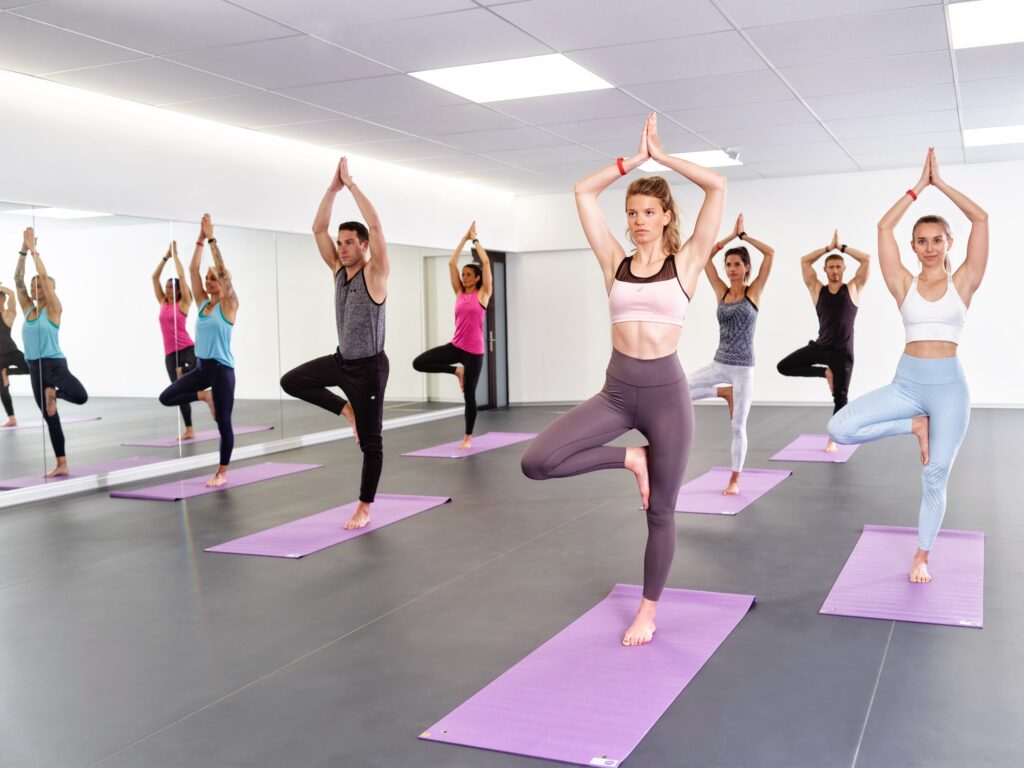

Starting a yoga journey can be both exciting and overwhelming, especially if you are new to the practice. With numerous yoga styles, class formats, and teaching methods, finding the right yoga studio near me is crucial for a positive experience. Whether you are looking to improve flexibility, relieve stress, or enhance overall well-being, a yoga studio provides an ideal environment for growth and learning. This guide will walk you through what to expect as a beginner and how to make the most of your first yoga class.
Understanding Yoga as a Beginner
- What is Yoga?
Yoga is an ancient practice that combines physical postures, breathing techniques, and meditation to promote harmony between the body and mind. It offers numerous benefits, including:
- Increased flexibility and strength.
- Improved posture and balance.
- Reduced stress and anxiety.
- Enhanced mental clarity and relaxation.
As a beginner, understanding that yoga is more than just exercise will help you embrace its holistic benefits.
- Choosing the Right Yoga Style
Different yoga styles cater to various preferences and fitness levels. As a newcomer, you may want to explore:
- Hatha Yoga: A gentle introduction to basic poses and breathing.
- Vinyasa Yoga: A flow-based practice connecting breath with movement.
- Yin Yoga: A slow, deep stretching practice ideal for relaxation.
- Ashtanga Yoga: A structured, dynamic practice for building strength.
- Restorative Yoga: Focuses on relaxation and stress relief.
Trying different styles will help you determine which resonates with you the most.
What to Expect at a Yoga Studio
- A Welcoming Environment
A good yoga studio fosters a calm, inclusive, and supportive atmosphere. Expect to find:
- Friendly instructors who guide you with patience.
- A non-judgmental community of practitioners.
- A tranquil setting with soothing lighting and music.
Feeling comfortable in your chosen studio will enhance your overall experience.
- Essential Equipment and Setup
Most yoga studios provide essential props, but you may need to bring:
- A yoga mat (some studios offer rentals).
- A water bottle to stay hydrated.
- A small towel, especially for hot yoga classes.
- Comfortable, stretchable clothing.
Studios may also have blocks, straps, and blankets to assist in poses.
- Class Structure and Flow
A typical yoga class follows a structured format:
- Warm-up: Gentle movements to prepare the body.
- Main practice: A sequence of yoga postures (asanas) and breathing exercises (pranayama).
- Cool-down: Restorative poses and relaxation.
- Savasana: A final relaxation posture for complete mind-body integration.
Knowing what to expect will help you feel at ease during your first class.
- Breathing Techniques and Mindfulness
Breathwork (pranayama) is an integral part of yoga. Expect to learn:
- Deep breathing for relaxation.
- Rhythmic breath control to enhance movement.
- Mindfulness techniques for increased awareness.
Breathing properly can amplify the benefits of your yoga practice.
How to Prepare for Your First Yoga Class
- Arrive Early
Give yourself at least 10-15 minutes to settle in, meet the instructor, and set up your mat in a comfortable spot.
- Communicate with Your Instructor
If you have any medical conditions or injuries, inform your instructor so they can offer modifications.
- Stay Hydrated and Eat Light
Avoid heavy meals before class. Instead, opt for a light snack like fruit or nuts to maintain energy levels.
- Be Open-Minded and Patient
Yoga is a journey, not a competition. Allow yourself to progress at your own pace without pressure.
Common Concerns and How to Overcome Them
- “I’m Not Flexible Enough”
Flexibility is a result of consistent practice, not a prerequisite. Yoga is designed to improve flexibility over time.
- “I Don’t Know the Poses”
Beginner-friendly classes introduce foundational poses step by step. Over time, familiarity will develop.
- “I Feel Self-Conscious”
Everyone in a yoga studio is focused on their own practice. Let go of self-judgment and embrace the experience.
The Benefits of Practicing Yoga in a Studio vs. Home
- Expert Guidance
- Professional instructors provide corrections and adjustments to improve posture.
- Personalized feedback enhances safety and effectiveness.
- Motivation and Accountability
- Attending a class keeps you committed to a routine.
- Practicing with others fosters encouragement and motivation.
- Access to a Structured Practice
- Studios offer diverse class schedules to fit your availability.
- A structured curriculum helps with progressive skill-building.
- Community and Support
- Engaging with fellow yogis fosters a sense of belonging.
- Group practice enhances shared energy and inspiration.
How to Choose the Best Yoga Studio for You
- Research Studios in Your Area
Check online reviews and testimonials to gauge the studio’s reputation.
- Visit the Studio
A trial visit allows you to experience the environment firsthand.
- Assess Instructor Credentials
Certified, experienced instructors contribute to a high-quality learning experience.
- Consider Class Schedules and Membership Options
Choose a studio with flexible class timings and affordable membership plans.
- Evaluate Studio Facilities
Look for cleanliness, availability of props, and overall ambiance.
Final Thoughts
Starting yoga as a beginner is a rewarding experience when approached with the right mindset. Finding the right yoga studio near me will provide you with expert guidance, motivation, and a supportive community to help you grow. With patience, consistency, and an open heart, your yoga journey can lead to physical, mental, and emotional transformation. Take the first step today and embrace the benefits of yoga in a professional and welcoming studio environment.
Comments are closed.